Sale Dental Spa
Jade Morgan saw the adverts on social media. Porcelain veneers abroad, at a fraction of what they cost in the UK, with photographs of the results. She booked a flight.
Two weeks after she came home, one of the veneers fractured. Her gums were sore and irritated. In the end the whole set had to be replaced, back in the UK, at her own expense.
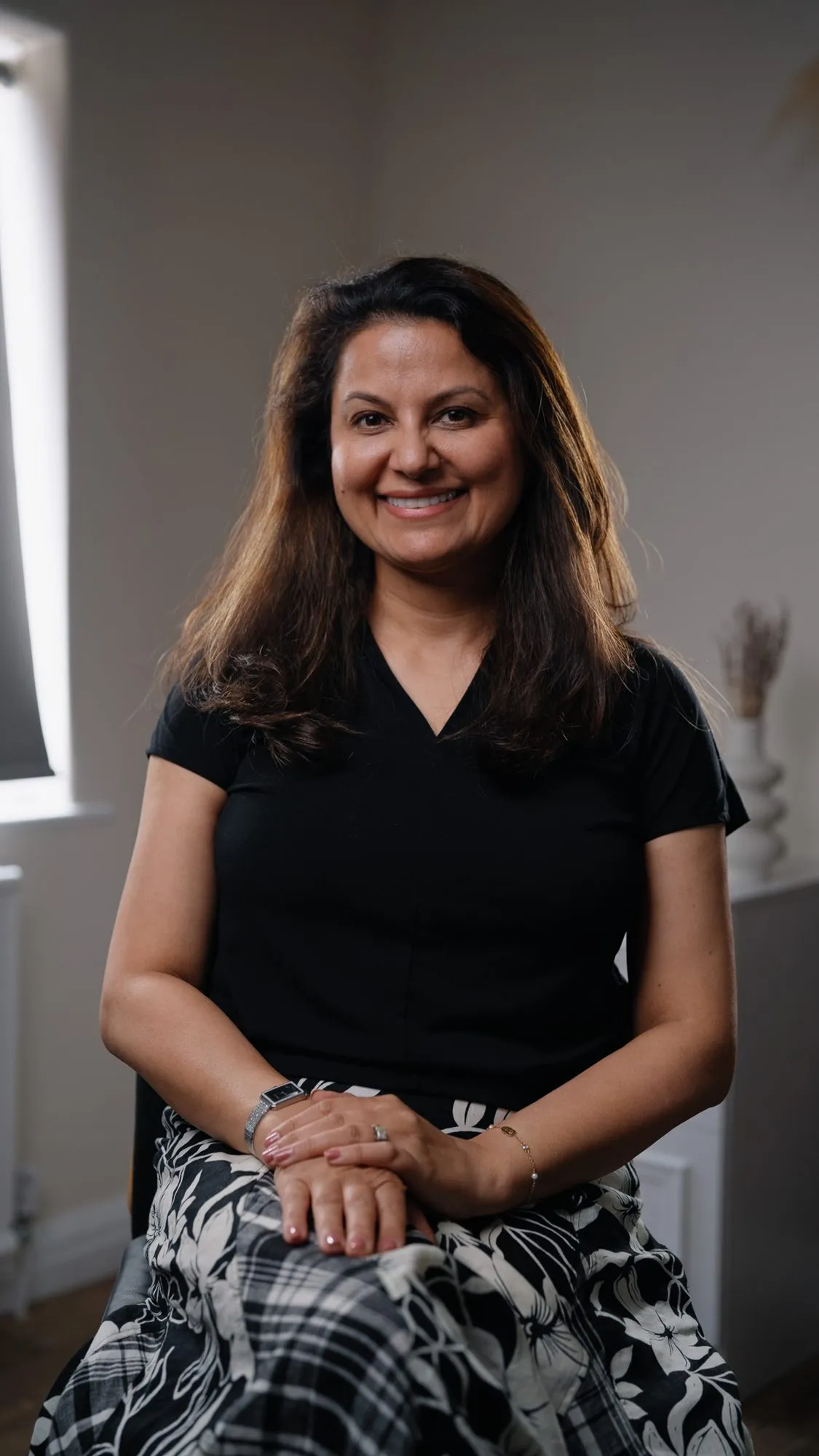
Jade has agreed to us telling her story here. She was clear about why: she had looked for exactly this kind of account before she booked and had not found one.
The part the adverts leave out is what happens if something goes wrong, and who pays for it.
Corrective work is usually more involved than the original treatment. A veneer that has failed cannot simply be swapped for a new one if the tooth underneath has been over prepared, and the dentist doing the repair is working with what is left rather than starting from a healthy tooth. Jade spent more in total than she would have spent having the work done here in the first place.
We are not going to put a figure on remedial work in general, because there is no meaningful average. It depends entirely on what state the teeth are in. What we will say is that it is rarely small, and it is never the price you were quoted abroad.
The financial side is recoverable. The tooth tissue is not.
Veneers and crowns require the dentist to remove part of the outside of the tooth. How much comes off is a judgement, and it is one of the clearest differences we see between careful and hurried work. Where healthy teeth have been heavily reduced to fit a set of crowns, that enamel is gone permanently. Teeth prepared that aggressively are often sensitive afterwards and more likely to need root canal treatment later on.
This is why an unhurried assessment before anything is drilled matters more than the finish on the final result. Any competent laboratory can make a white veneer. Deciding whether a tooth should be prepared at all, and how little can be taken off to get there, is the clinical part.
Dental tourism complications come up regularly in practices across the UK, ours included. There are figures in circulation about how often it happens, but a survey of dentists reporting that they have seen at least one such case is not the same as a risk rate for someone considering a trip. The honest version is simpler: it happens often enough that you should plan for the possibility rather than assume it will not be you.
Treatment in the UK comes with a structure behind it. Dentists must be registered with the General Dental Council, must hold indemnity, and practices are inspected against Care Quality Commission standards. If something goes wrong there is a complaints route and someone accountable at the end of it.
That structure does not travel with you. Once you are home, a clinic several thousand miles away is difficult to hold to anything, and returning for a repair means paying for the flight again. Jade could not realistically go back, so she paid for the work twice.
We are not saying that dentistry abroad is bad dentistry, or that every overseas clinic is the same. There are excellent dentists working in every country and some patients come home perfectly happy.
What we are saying is that choosing on price and photographs alone removes the two things that actually protect you: time to assess properly, and somewhere to go if it fails.
We should also be straight about the limits of a story like Jade's. It is one patient's experience. It does not tell you what will happen to you, and it should not be read as a promise that having the same treatment here would have gone perfectly. It would not have carried the same risks, which is a different claim and a smaller one.
Come and be looked at, particularly if something feels loose, sharp or sore, or if your gums bleed around the new work. Nobody here will make you feel foolish for having gone. A good number of people who sit in our chairs have done the same thing, and the useful conversation is about what state things are in now.
A new patient examination is £35 and an emergency appointment is £40. If you are still at the considering stage, a Smile Design consultation is free and will tell you what your options are here, including the ones that do not involve preparing your teeth at all. You can read more about porcelain veneers and composite bonding, see all our prices on the fees page, or book at sale-dental-care.portal.dental.
Related reading: Turkey teeth: what to understand before cosmetic dentistry abroad and dental implants abroad: what to know before you book.
Booking deposit: There is no Smile Design consultation fee. A £20 deposit holds your appointment and is credited against treatment if you go ahead, or refunded when you attend if you do not. Give two full business days’ notice (Monday to Friday, both before the appointment date) to cancel or rearrange. The deposit is retained for late cancellations or missed appointments. Read the booking terms.
The Smile Design consultation is free, there is nothing to pay and nothing to commit to. Call 0161 969 7464, or book online and we will take it from there.
Book a consultation