
Sale Dental Spa

When most parents think about orthodontics, they picture braces, usually somewhere around the teenage years, once all the adult teeth have come through. But as a dentist with over 21 years of clinical experience and a mum myself, I always tell parents the same thing: by the time braces are the conversation, you have often missed the easiest window to intervene.
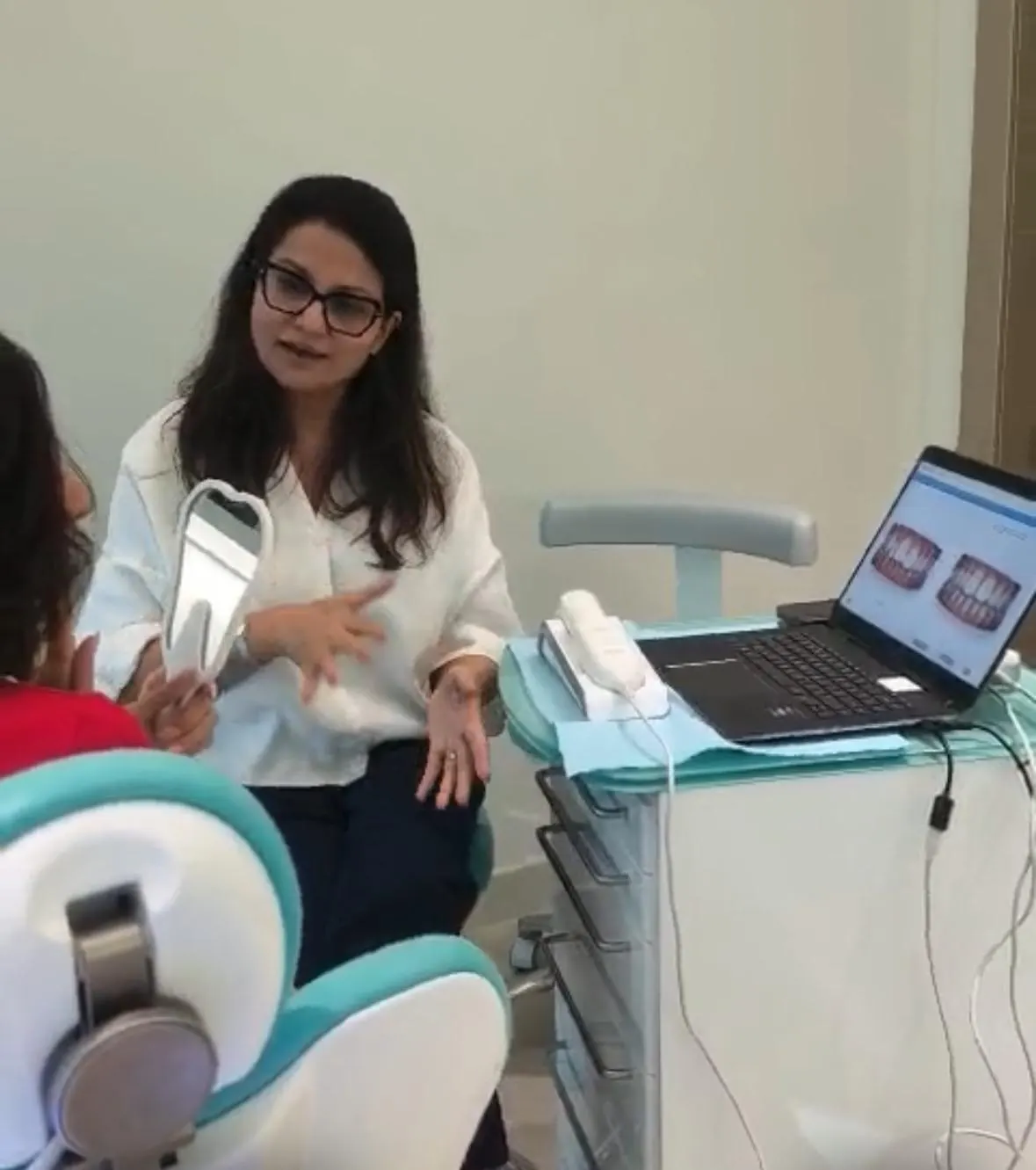
Preventative orthodontics is not about counting teeth or rushing your child into treatment. It is about understanding how the jaw, bite and facial growth are developing together, and catching small issues early, while they are simple to manage, rather than years later when they have become complex.
Children's jaws and faces are still growing, which is exactly why early checks are so valuable. Many issues that would need lengthy, complex treatment in the teenage years can be guided gently in childhood. Sometimes that means nothing more than monitoring. Sometimes it means a short, simple intervention.
Left unaddressed, these same issues can lead to more involved orthodontic treatment later, and in some cases can be associated with effects on breathing, sleep and facial development.
You do not need to be a dental expert to spot the early warning signs. Here is what I would encourage every parent to watch for.
Occasional habits are normal in toddlers, but a habit that continues past this age can start to affect the shape of the palate and how the front teeth come together.
This is one parents often overlook, assuming it is just how their child sleeps. Chronic mouth breathing can be linked to airway restriction and may affect facial growth patterns over time, so it is worth having assessed.
A little crowding in the early stages is common, but noticeable overlapping or teeth coming in at odd angles can be an early sign that there is not enough space in the jaw.
If your child's jaw seems to shift to one side when they bite down, or their teeth do not meet evenly, this is worth having checked rather than waiting to see if it "sorts itself out".
A good rule of thumb is around age seven, once the first adult teeth are through. That is early enough to spot how the jaw and bite are developing while there is still plenty of growth to work with. If you notice any of the signs above sooner, do not wait for a birthday; bring it up at your child's next routine examination.
Here is the reassuring part: an early check does not automatically mean treatment. Often, it means simply monitoring your child's growth over time with periodic reviews. Low effort, low stress, for both of you.
When treatment is needed, catching things early often means it is simpler and shorter than it would be if left until the teenage years. Think of it as a small course correction now, rather than a bigger fix later.
This is the philosophy I bring to every child I see: their teeth do not exist in isolation. Jaw development, breathing, facial growth and bite all work together, and looking at them as connected, rather than looking at teeth in isolation, leads to better outcomes as your child grows.
If any of the signs above sound familiar, it is always worth a quick assessment rather than waiting and wondering. At Sale Dental Spa I offer assessments designed to look at the bigger picture of your child's developing smile, not just a teeth count.
Call us on 0161 969 7464, book online at our booking portal, or read more about joining as a new patient. Early, simple steps now can mean far less treatment later.
The Smile Design consultation is free, there is nothing to pay and nothing to commit to. Call 0161 969 7464, or book online and we will take it from there.
Book a consultation